
L’Aquila and beyond: what to see and do
From the churches, squares and historic palaces of L’Aquila to picturesque medieval villages and the spectacular landscapes of the Gran Sasso.
Discover Abruzzo’s history, art, culture, nature and traditions from L’Aquila Home. Explore routes and experiences in every season, from walks through the historic centre to mountain hikes and local food.
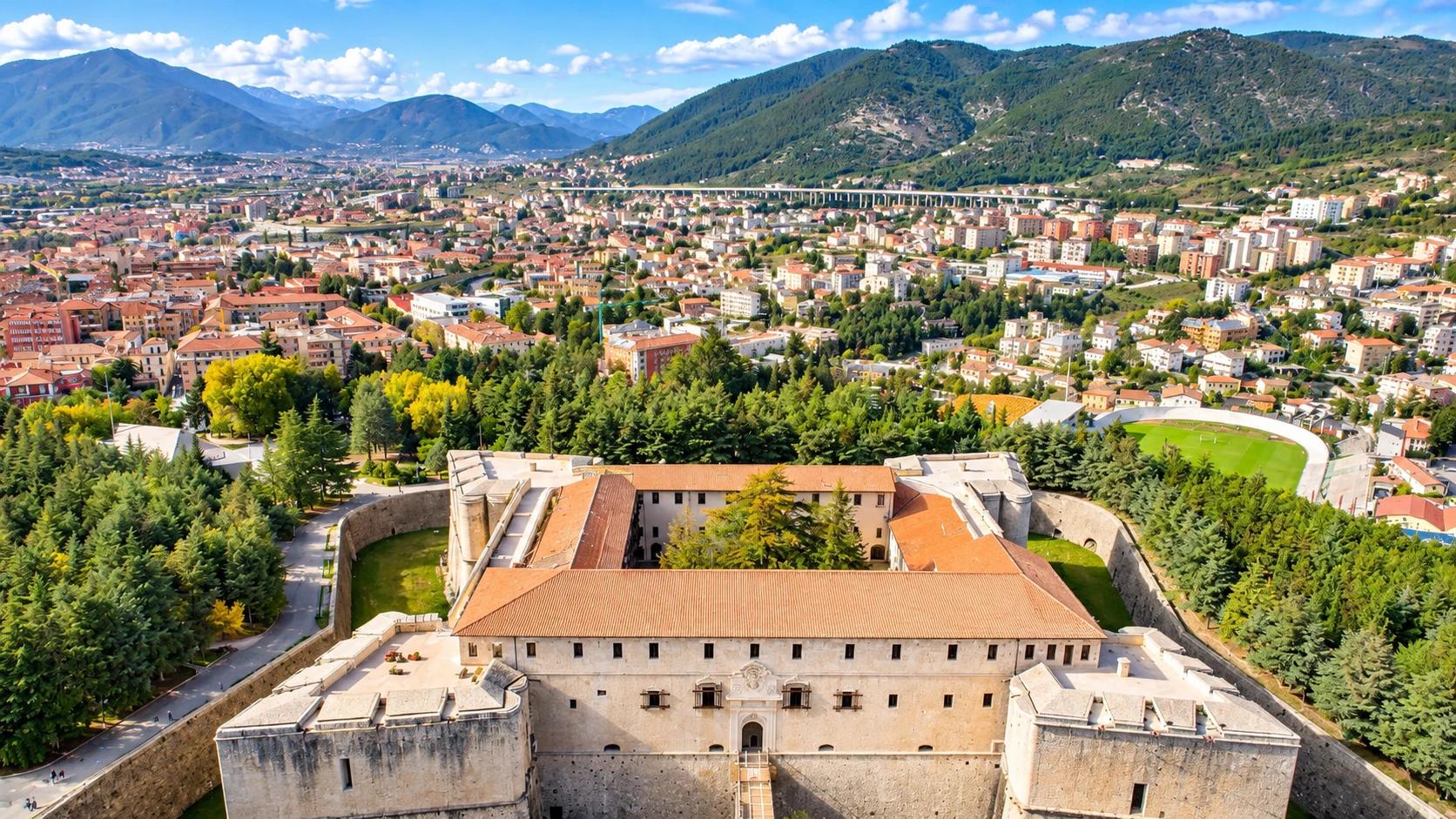
L’Aquila and its surroundings, starting here
L’Aquila Home is at Via Roma 158, about 800 metres from the heart of L’Aquila’s historic centre, an easy walk away.
Its location is ideal for discovering the city’s history, art and culture, visiting old Abruzzese villages, exploring the Gran Sasso and taking in the landscapes of the Aterno Valley.
This guide suggests what to see and do in and around L’Aquila, with itineraries and experiences to suit your interests, the season and the length of your stay.
What to see in L’Aquila: the historic centre on foot
L’Aquila is a city to discover on foot, among squares, basilicas, monumental fountains, historic palaces and old streets. Starting at L’Aquila Home, you can explore the historic centre on foot, pausing at cafés under the arcades or at other spots around town.
Piazza Duomo and the historic palaces
Piazza Duomo, also called Piazza del Mercato, is one of the city’s landmarks. From here, follow Corso Vittorio Emanuele II and the streets of the historic centre to admire Palazzo Fibbioni, Palazzo Dragonetti and Palazzo Persichetti, all part of L’Aquila’s historic and artistic heritage.
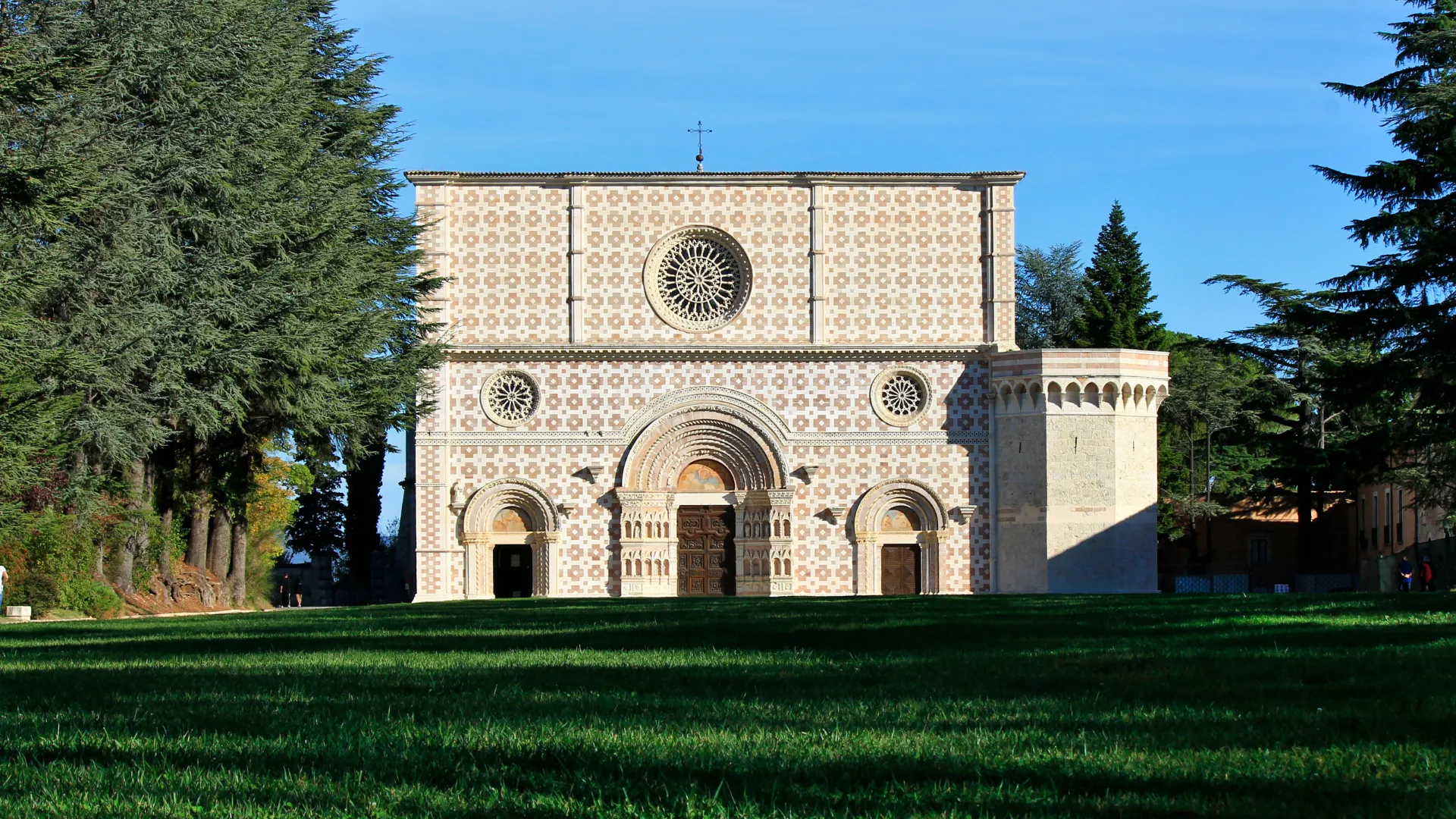
Basilica of Santa Maria di Collemaggio
With its unmistakable pink and white stone façade and the wide lawn in front, the Basilica of Collemaggio is one of L’Aquila’s most distinctive landmarks.
Associated with Pope Celestine V and the Perdonanza Celestiniana, it’s an essential stop for discovering the city’s history, culture and spiritual heritage.
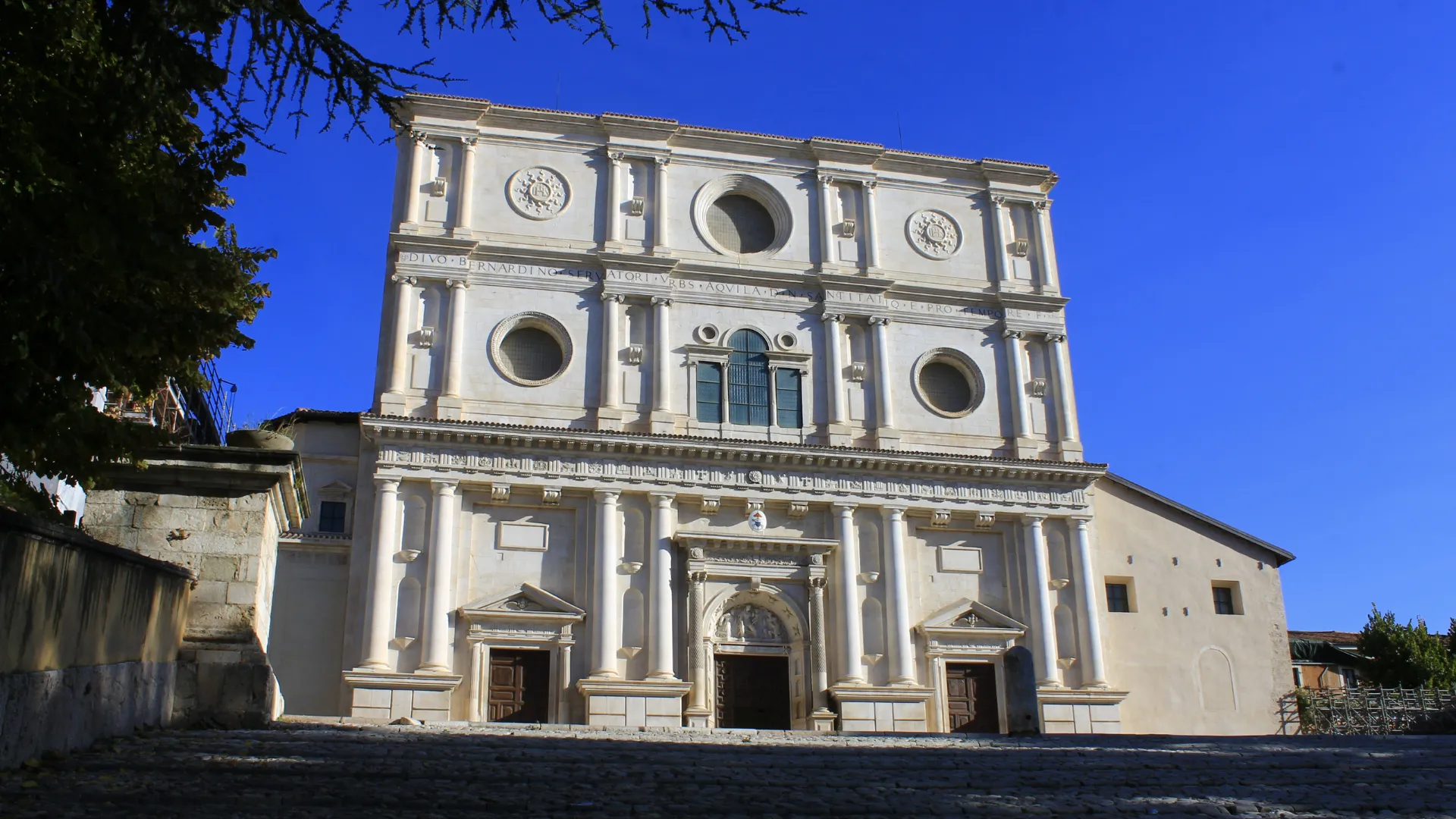
Basilica of San Bernardino
The monumental staircase and splendid Renaissance façade lead to one of L’Aquila’s main places of worship. Inside is the mausoleum of Saint Bernardino of Siena.
Combine a visit with a walk through the historic streets and the nearby Parco del Castello.
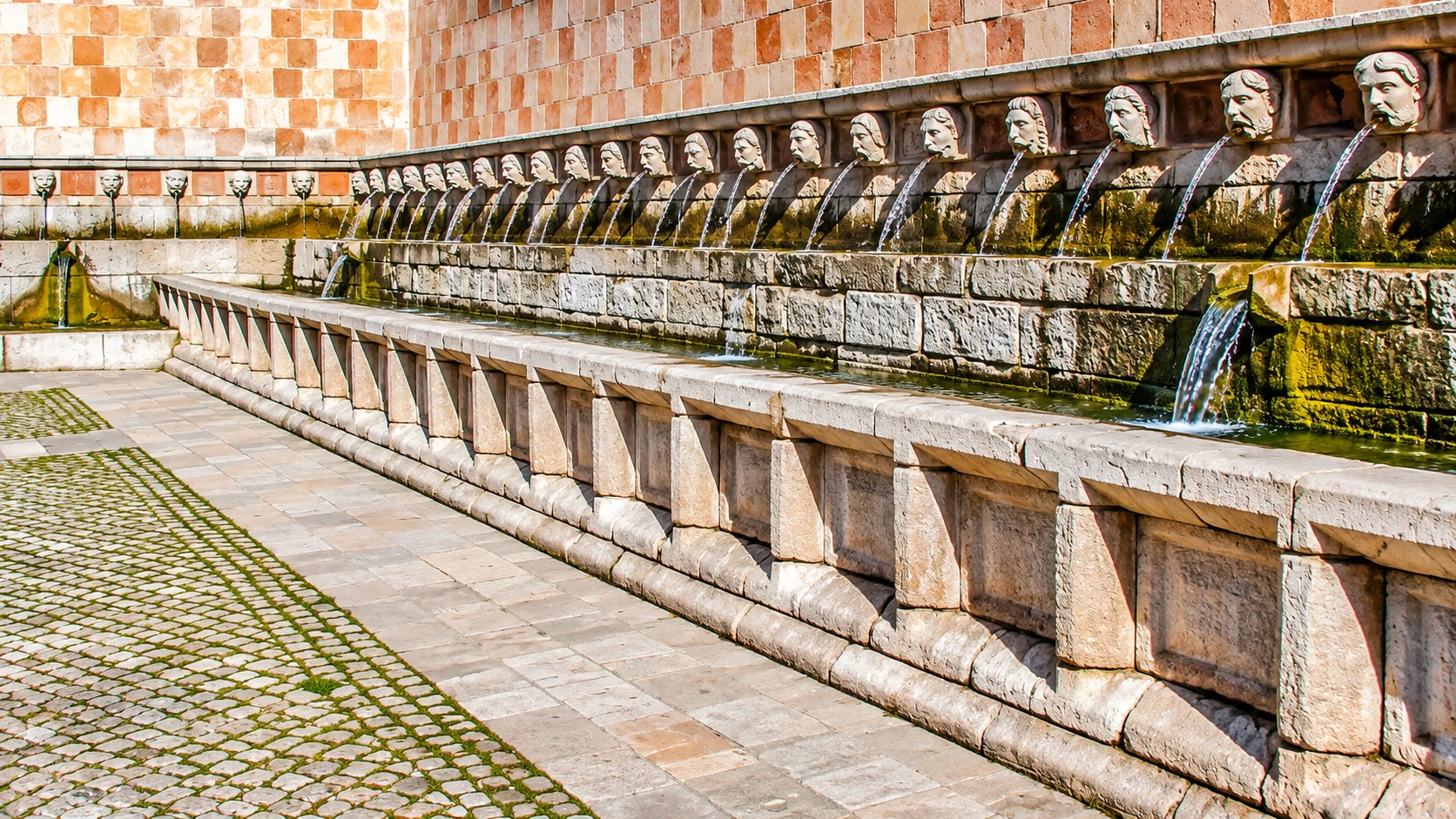
Fountain of the 99 Spouts
In the old district of Borgo Rivera, the Fountain of the 99 Spouts is one of L’Aquila’s most striking landmarks. The distinctive carved faces and pink and white stone decorations recall the history and traditions surrounding the city’s founding.
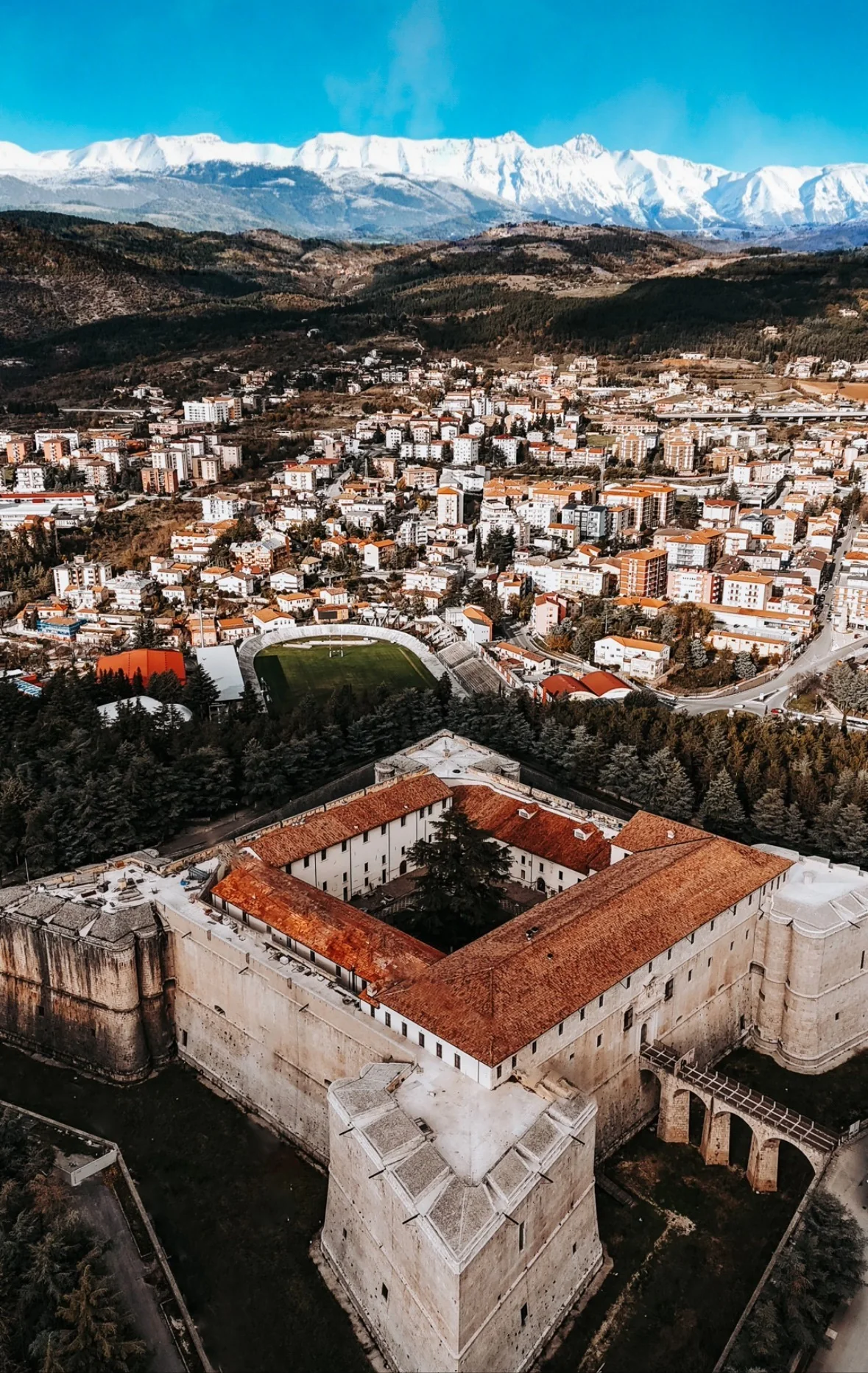
The Spanish Fort and the National Museum of Abruzzo (MuNDA)
The Spanish Fort, an imposing example of 16th-century military architecture, is surrounded by a large park ideal for a walk outdoors.
To learn more about the history and artistic heritage of Abruzzo, the National Museum of Abruzzo (MuNDA) houses important archaeological and art collections. Before visiting, we recommend checking the museum’s official website for locations, opening hours and accessible areas.
Amiternum archaeological site
A few kilometres from the centre of L’Aquila, in San Vittorino, are the remains of the ancient Roman city of Amiternum, including its theatre and amphitheatre.
The site is particularly rewarding for anyone interested in history and archaeology. Arrange your transport and check opening hours in advance.
The medieval villages of the Gran Sasso
Santo Stefano di Sessanio, Rocca Calascio and Castel del Monte are among Abruzzo’s most picturesque destinations. Old stone villages, medieval fortresses, spectacular views and centuries-old traditions tell the story of this area.
From L’Aquila Home, you can plan a day discovering these places in the heart of Gran Sasso and Monti della Laga National Park.
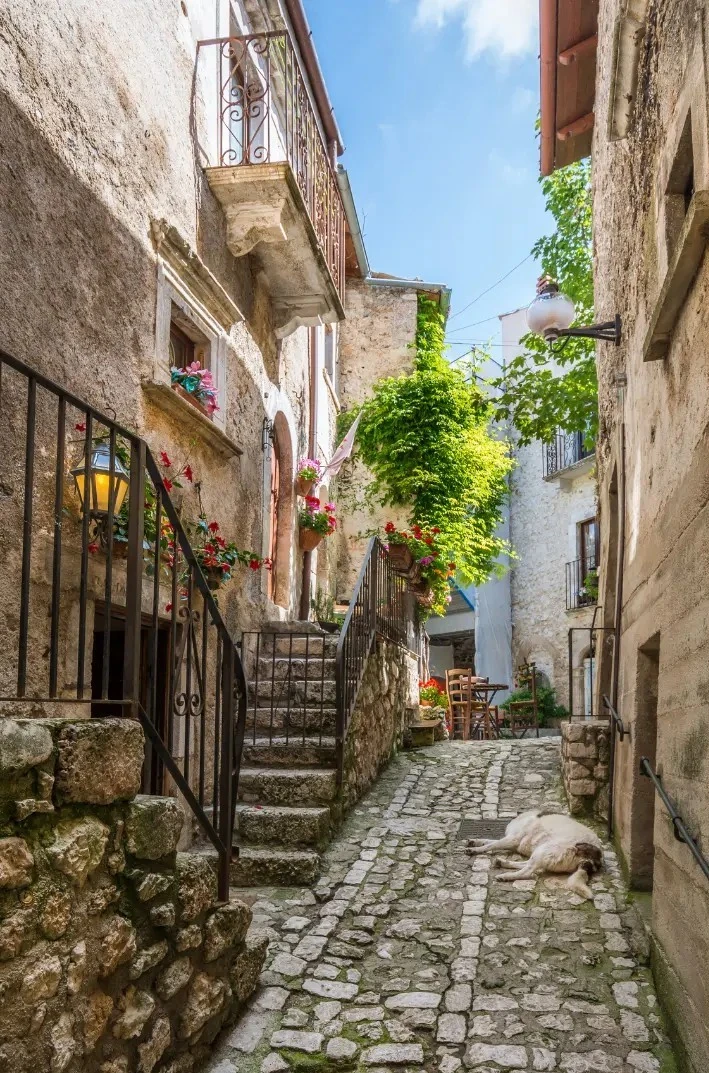
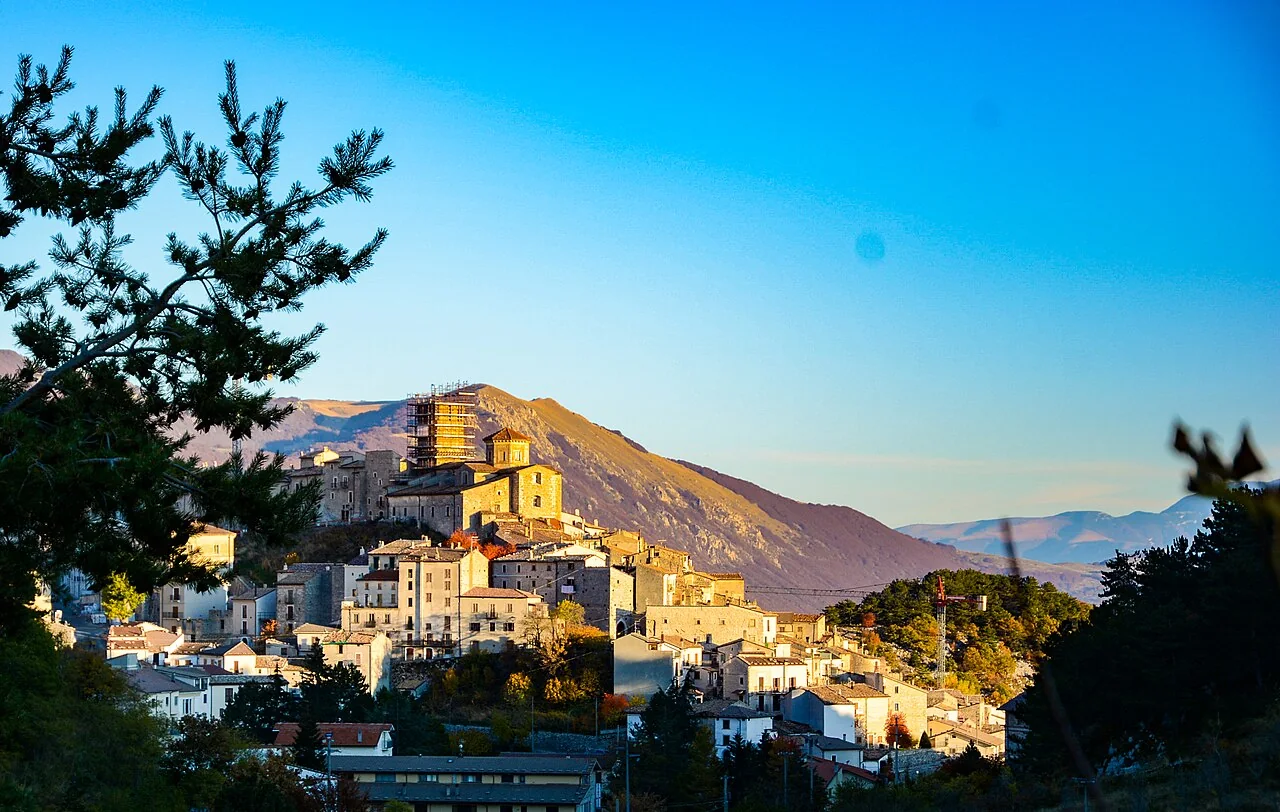
Santo Stefano di Sessanio
A charming medieval village to discover on foot, among lanes, old stone houses, arches and small squares. Santo Stefano di Sessanio retains its historic character and is also known for its food traditions, including prized local lentils.
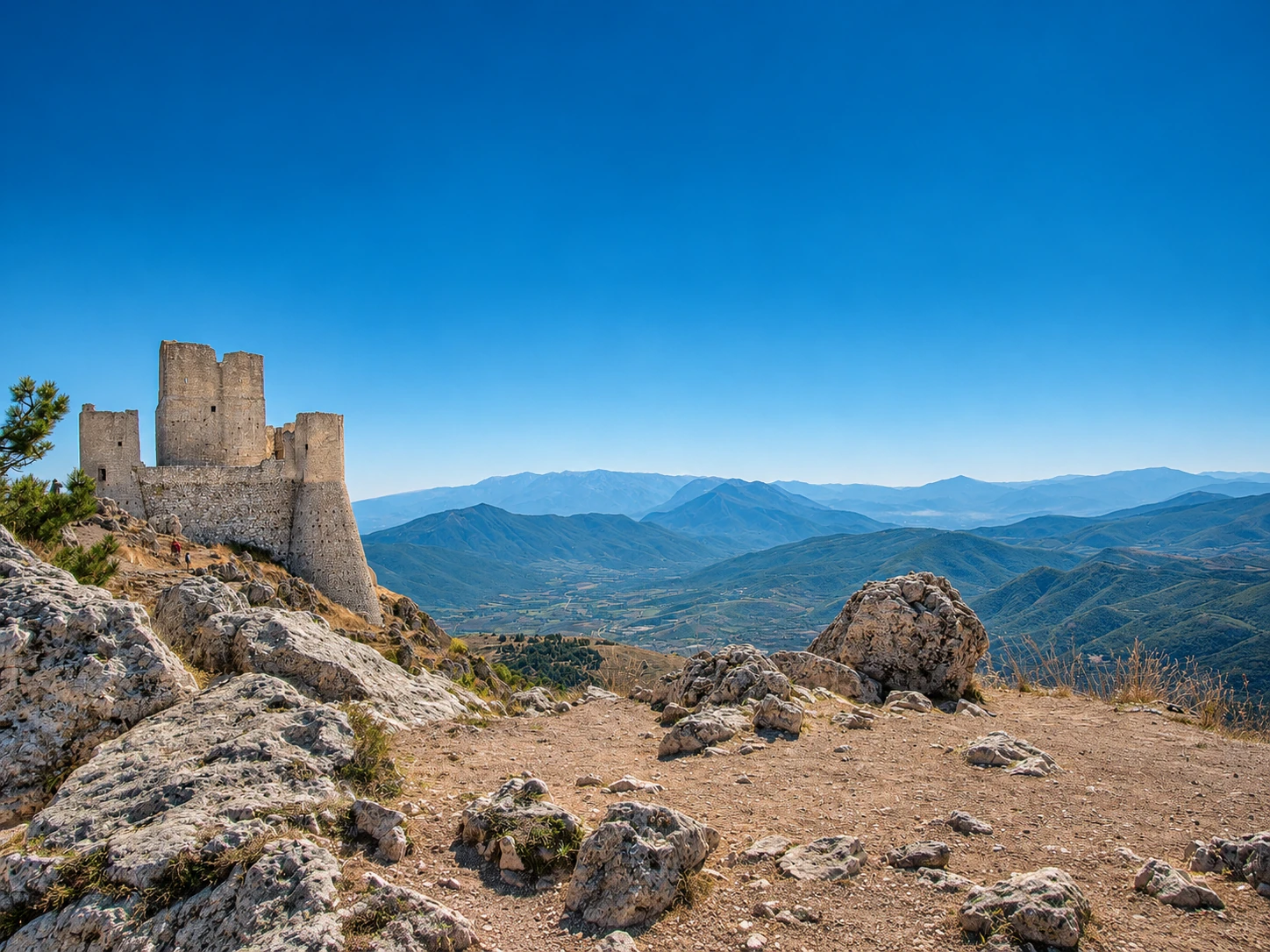
Rocca Calascio
The striking medieval fortress of Rocca Calascio and the nearby church of Santa Maria della Pietà overlook one of Abruzzo’s most spectacular views.
A setting for numerous films, Rocca Calascio is ideal for anyone interested in photography, history or nature. The walk to the fortress offers memorable views of the surrounding mountains.
Castel del Monte
Among its lanes, arches, old houses and panoramic views, Castel del Monte preserves the history and shepherding traditions associated with seasonal livestock migration.
It’s an ideal village for discovering the character of mountain Abruzzo, sampling local produce and joining the events held throughout the year.
Skiing, snowboarding and winter holidays in Abruzzo
L’Aquila Home is an ideal base for a winter holiday in Abruzzo, within easy reach of three major ski areas: Campo Imperatore, Campo Felice and Ovindoli Monte Magnola.
Whether you’re keen skiers and snowboarders or a family introducing children to the snow, spend your days in the mountains and return to town for a walk in the historic centre, an aperitif, dinner at a restaurant or an evening together at home.
It also suits families and groups of friends where some guests prefer to spend their time off the slopes, with cultural and food experiences alongside days in the snow.

Campo Imperatore – Gran Sasso
Skiing on the Gran Sasso, surrounded by spectacular views of Corno Grande, is a unique experience in the heart of the Apennines.
In winter, Campo Imperatore is accessible by the Fonte Cerreto cable car, which connects the valley station to the ski area when it is operating.
Campo Felice
In the mountains around Lucoli and Rocca di Cambio, Campo Felice has slopes for different skill levels, ski schools and options for snowboarders.
It’s ideal for families, beginners and experienced skiers, and is easily reached by car from L’Aquila Home.
Ovindoli Monte Magnola
Set amid the landscapes of the Rocche Plateau, the Ovindoli Monte Magnola ski area offers plenty of opportunities to ski, snowboard and enjoy a day in the snow.
It’s an ideal way to vary your plans on a longer winter holiday while keeping L’Aquila as your base.
Distances from L’Aquila Home to the ski areas
| Ski area | Driving distance | Estimated time |
|---|---|---|
| Campo Imperatore – Fonte Cerreto cable car | About 20 km | 25–35 minutes |
| Campo Felice – Lucoli side | About 30 km | 35–45 minutes |
| Ovindoli Monte Magnola | About 40 km | 45–55 minutes |
Distances and travel times are approximate and can vary with weather, road conditions and access to the lifts.
Information, snow reports and lift opening status:
Mountains, nature and hiking in Abruzzo
L’Aquila Home is a starting point for exploring the nature and mountain landscapes of Abruzzo, from the peaks of the Gran Sasso, across the vast plateau of Campo Imperatore and into the forests of the national parks.
Hiking, nature walks and mountain biking offer different experiences in every season for families, groups of friends and mountain lovers.
After a day outdoors, return to L’Aquila for a walk through the historic centre, an aperitif or dinner together.
Enjoy the mountains with all the comforts of the city.
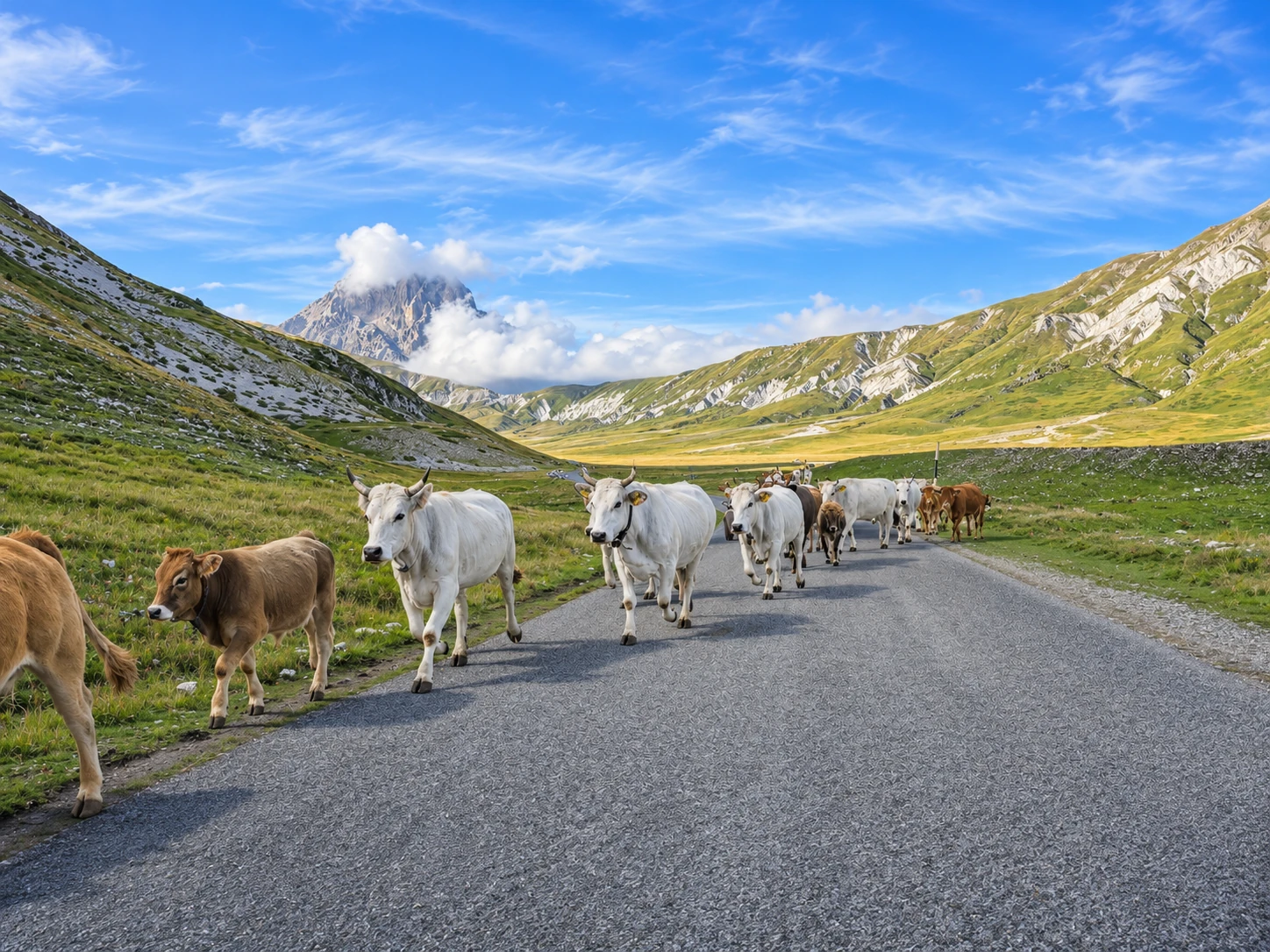
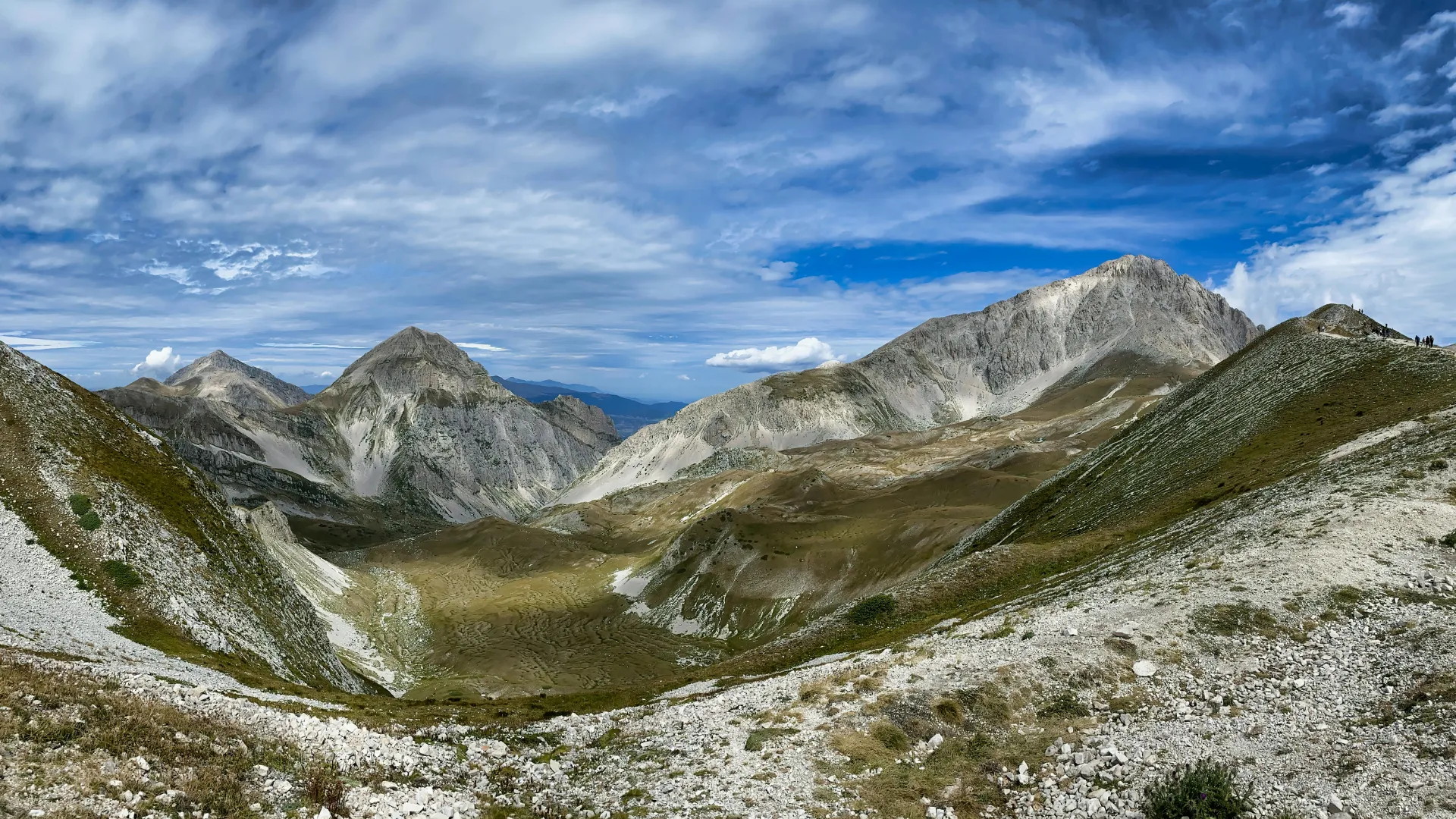
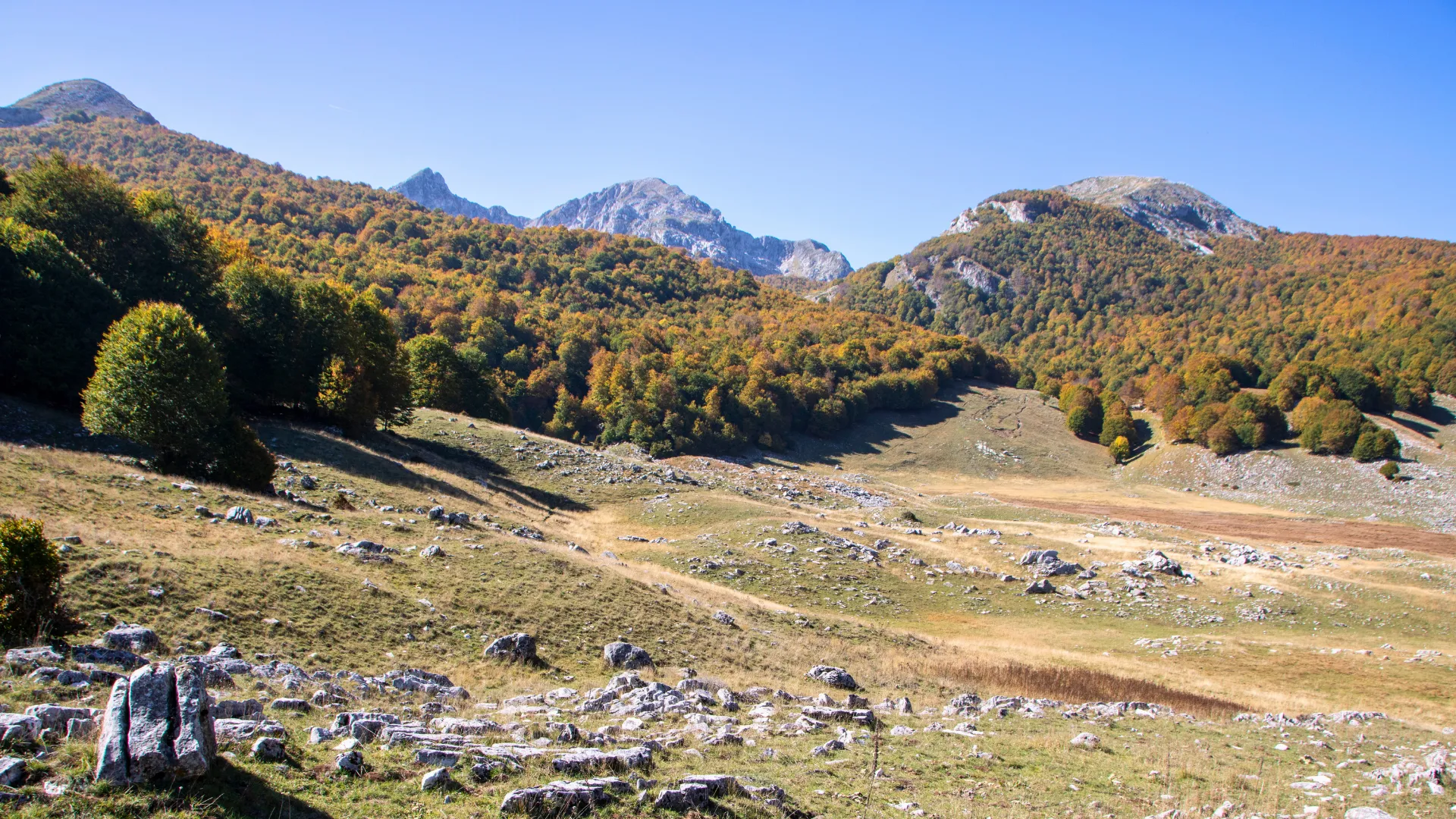
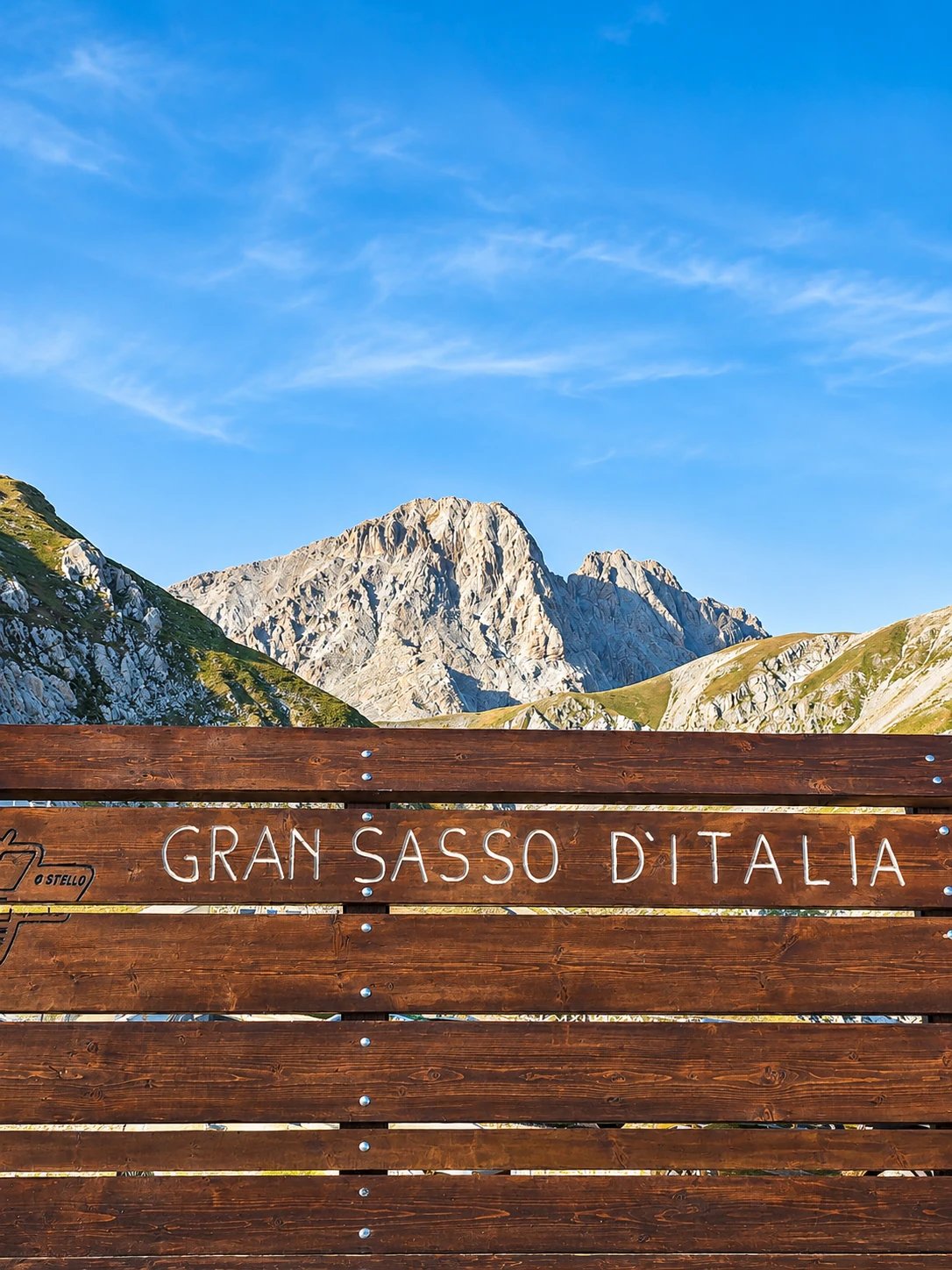
Gran Sasso d’Italia
Gran Sasso and Monti della Laga National Park is ideal for anyone who loves mountains, nature and outdoor activities.
From Fonte Cerreto, near Assergi, the cable car takes you to Campo Imperatore, the starting point for many hiking routes.
Scenic walks, hikes and routes to the Gran Sasso peaks cater to different levels of experience. Choose according to the season and weather.
Campo Imperatore and Abruzzo’s Little Tibet
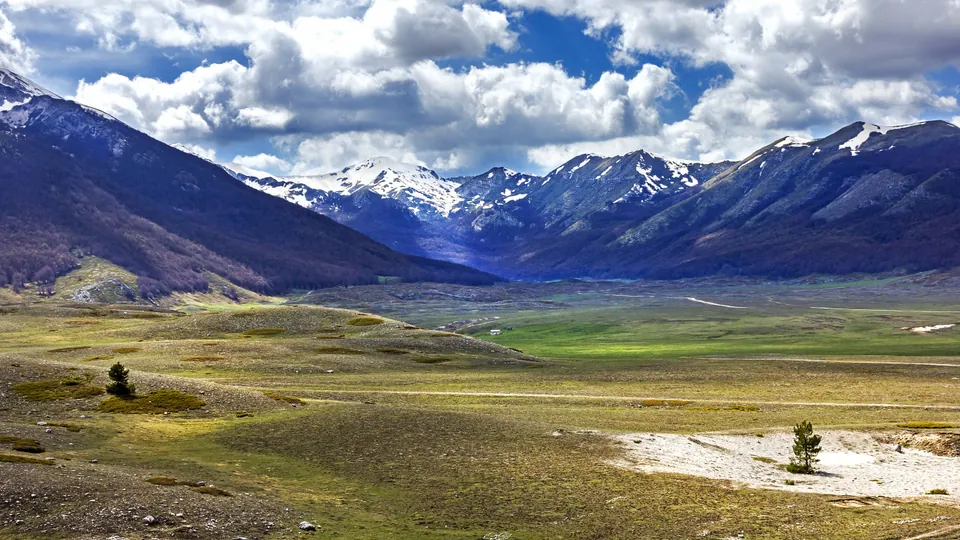
With its vast pastures, mountains and sweeping horizons, Campo Imperatore is one of the Apennines’ most striking landscapes, also known as Abruzzo’s Little Tibet.
The plateau offers plenty of opportunities for hiking, walking, nature photography and cycling. Don’t miss the area around the astronomical observatory or Fonte Vetica at the foot of Monte Camicia.
Discover the area through its local produce and long-standing shepherding traditions too.
In winter, access to high-altitude roads and cable car operations depend on the weather.
Abruzzo, Lazio and Molise National Park
Ancient beech woods, mountain villages and extraordinary biodiversity make this one of Italy’s best-known national parks.
Use Pescasseroli as a starting point to explore the area on nature trails, guided hikes and other outdoor activities.
The park is home to the Marsican brown bear, the Apennine wolf and the Apennine chamois. Enjoy being close to nature while respecting the environment and its wildlife.
From L’Aquila Home, we recommend setting aside a full day for the visit.
The Stiffe Caves, Lake Sinizzo and the Aterno Valley
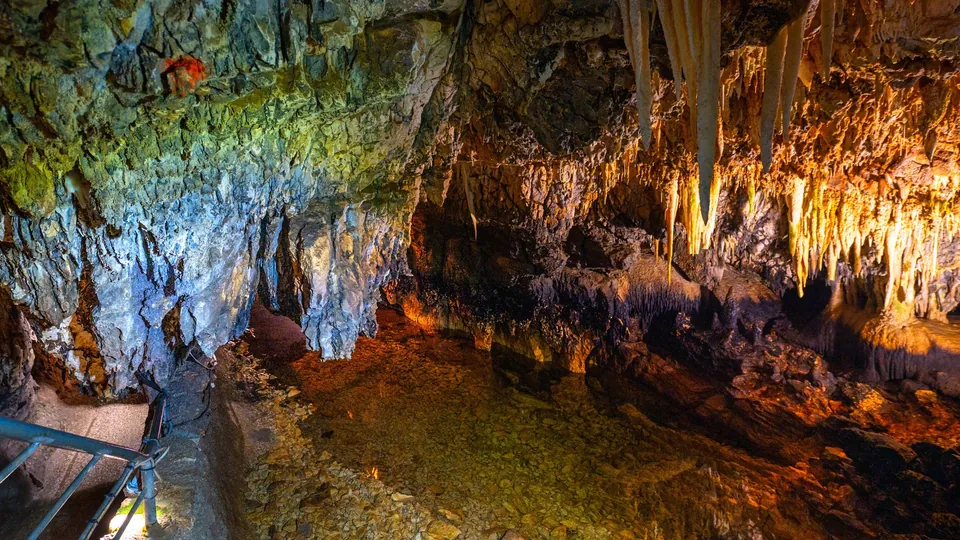
In the area around San Demetrio ne’ Vestini, the Stiffe Caves offer a striking underground route through rock formations, streams and natural waterfalls.
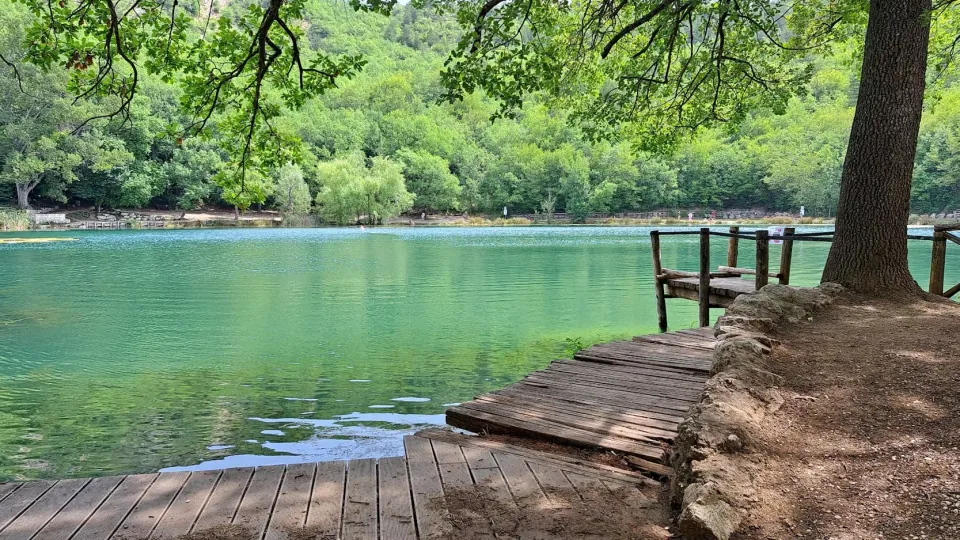
Nearby Lake Sinizzo is a lovely place to spend a few hours outdoors, take a walk and unwind in nature.
Hikers and mountain bikers can also explore the landscapes and trails of the Sirente Velino Regional Nature Park.
These experiences are ideal for families, groups of friends and nature lovers and fit easily into a stay in L’Aquila.
Discover Abruzzo: itineraries for longer stays
L’Aquila Home is a base for exploring Abruzzo, a region rich in history, culture, natural landscapes and traditions. With a few extra days, you can visit old villages, castles, archaeological sites, lakes and the Adriatic coast, taking in different experiences during a single stay.
Sulmona and the Ferrovia dei Parchi
The birthplace of the poet Ovid and known for its sugared almonds, Sulmona has a historic centre rich in monuments, squares and traditions.
From here you can ride the Ferrovia dei Parchi, also known as Italy’s Trans-Siberian Railway, through striking mountain scenery on a vintage train. We recommend checking departure dates and booking ahead.
Celano and Alba Fucens
In the heart of the Marsica, Celano’s Piccolomini Castle and the Alba Fucens archaeological site are two important parts of Abruzzo’s history.
With medieval architecture and ancient Roman ruins, this is an ideal itinerary for anyone interested in art, history and archaeology.
Scanno and its lake
Scanno is one of Abruzzo’s most picturesque villages, known for its old stone houses, craft traditions and beautiful surroundings.
Lake Scanno, famous for the distinctive heart shape visible from certain viewpoints, rounds off a day of nature, walks and local traditions.
Civitella del Tronto
The imposing fortress of Civitella del Tronto overlooks the village and surrounding landscape, telling the story of centuries past.
A fascinating place to discover the history and architecture of northern Abruzzo, with views, lanes and local traditions to explore.
The Trabocchi Coast and Ortona
From the mountains to the Adriatic Sea, Abruzzo’s landscapes vary widely.
With its distinctive wooden fishing platforms, the Via Verde walking and cycling route and seaside towns, the Trabocchi Coast is ideal for a day of nature, relaxation and good food.
In Ortona you can visit the historic centre and the Aragonese Castle and discover the area’s seafaring traditions.
The Capannelle Pass
A scenic route through the Gran Sasso mountains, with woods, pastures and sweeping views of the Abruzzo Apennines.
The Capannelle Pass is particularly rewarding for nature lovers, photographers, touring cyclists and motorcyclists.
Before setting out, check the weather, road conditions and any seasonal restrictions.
L’Aquila through food, culture and city life
Staying at L’Aquila Home gives you time to enjoy the city after a day exploring monuments, villages and mountains.
Walk between Piazza Duomo, Corso Vittorio Emanuele II and Piazza Regina Margherita, enjoy an aperitif under the arcades or have dinner at a restaurant in the historic centre.


Abruzzo’s food traditions offer plenty to discover: arrosticini skewers, local cured meats and cheeses, L’Aquila saffron, local specialities and regional wines.
Throughout the year, L’Aquila hosts theatre performances, concerts, exhibitions, cultural events and sports fixtures. One of the best-known events is the Perdonanza Celestiniana, associated with the Basilica of Collemaggio and Pope Celestine V.
Staying in town gives you the freedom to spend the evening as you like: go out for dinner, attend an event or get everyone together around the large table at home.
FAQs – What to see and do in and around L’Aquila
What can you see in L’Aquila in one day?
For a first visit, we recommend Piazza Duomo, the Basilica of San Bernardino, the Basilica of Santa Maria di Collemaggio, the Fountain of the 99 Spouts and the Spanish Fort with its park.
Spend the day exploring the city’s history, art and culture, with stops at cafés and other spots in the historic centre between monuments.
Can you explore L’Aquila’s historic centre on foot?
Yes. L’Aquila Home is at Via Roma 158, around 800 metres from the heart of the historic centre. The main monuments, squares, restaurants and other places in town are within walking distance.
Some routes go uphill and downhill, particularly towards the Fountain of the 99 Spouts.
Which medieval villages can you visit near L’Aquila?
Santo Stefano di Sessanio, Rocca Calascio and Castel del Monte are among the most picturesque destinations in the Gran Sasso area.
Plan a day exploring the medieval villages, taking in history, mountain views, local produce and Abruzzese traditions.
Where can you stay for a ski holiday in Abruzzo?
L’Aquila Home is an option for families and groups of friends who want to reach several ski areas during the same stay.
- Campo Imperatore – Fonte Cerreto cable car: about 20 km.
- Campo Felice – Lucoli side: about 30 km.
- Ovindoli Monte Magnola: about 40 km.
Spend the day in the snow and return to town for an evening at restaurants or bars, or simply to relax.
How far away are the Gran Sasso and Abruzzo National Park?
Fonte Cerreto, where the cable car to Campo Imperatore leaves, is around 20 km from L’Aquila Home. The area around the Campo Imperatore astronomical observatory is about 45 km away by car when the road is open.
Pescasseroli, in the Abruzzo, Lazio and Molise National Park, is about 110 km away and is ideal for a full-day trip.
What can you do in L’Aquila when it rains?
Visit museums, basilicas and exhibitions, discover the local food or spend a few hours in the cafés of the historic centre.
The Stiffe Caves are another option. Check opening times and access conditions before you go.
How many days do you need to visit L’Aquila and the surrounding area?
Two or three days give you time for the historic centre, the medieval villages of the Gran Sasso and some of the main natural attractions.
With four days or more, you can extend your itinerary to Sulmona, the Marsica, Scanno, Abruzzo National Park or the Trabocchi Coast.
Where can you find information, opening hours and tickets?
We recommend checking the official websites of museums, nature parks, archaeological sites and ski areas.
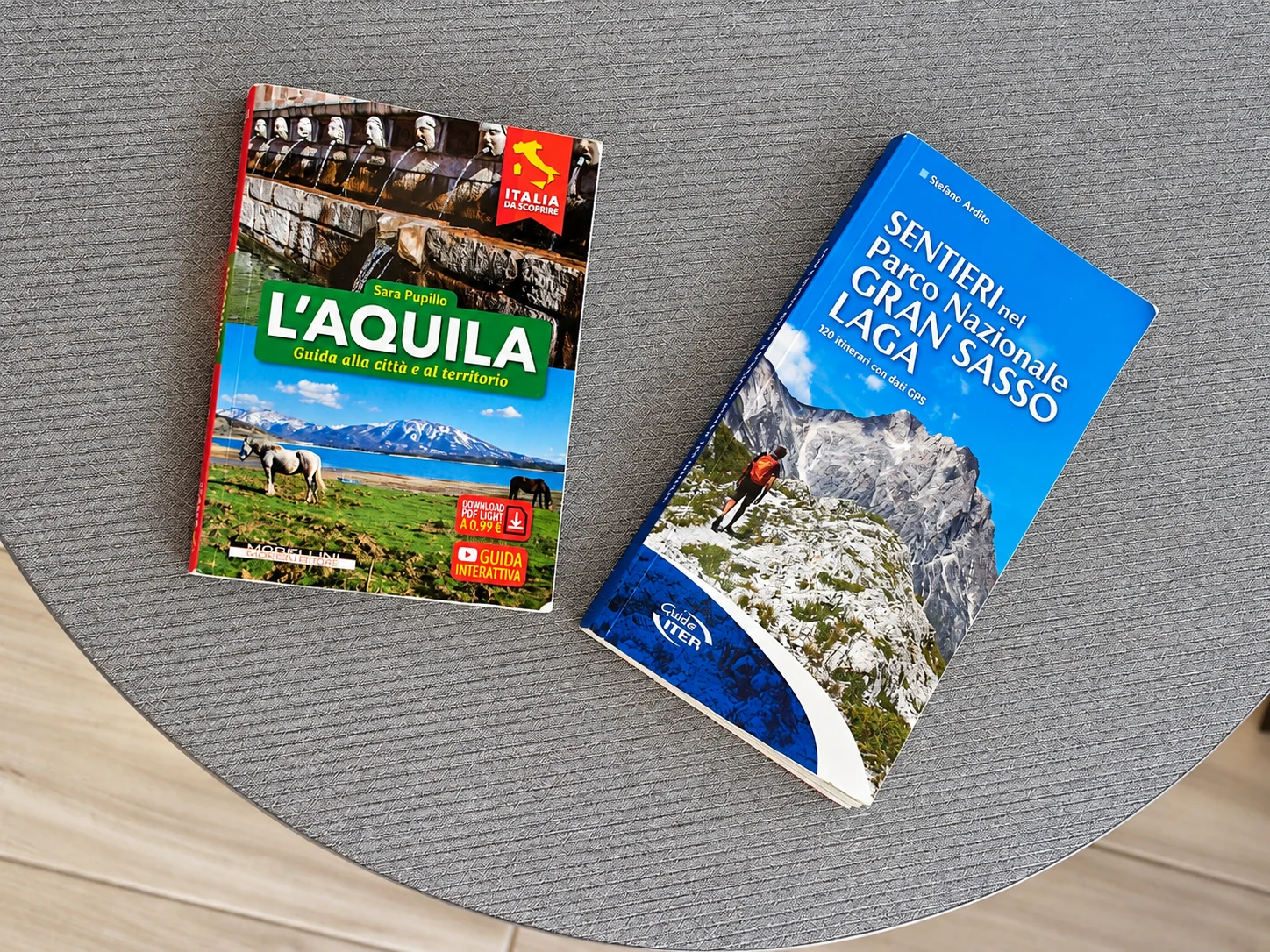
At L’Aquila Home you’ll also find guidebooks in Italian and English, city maps and maps of the Gran Sasso and its hiking routes.
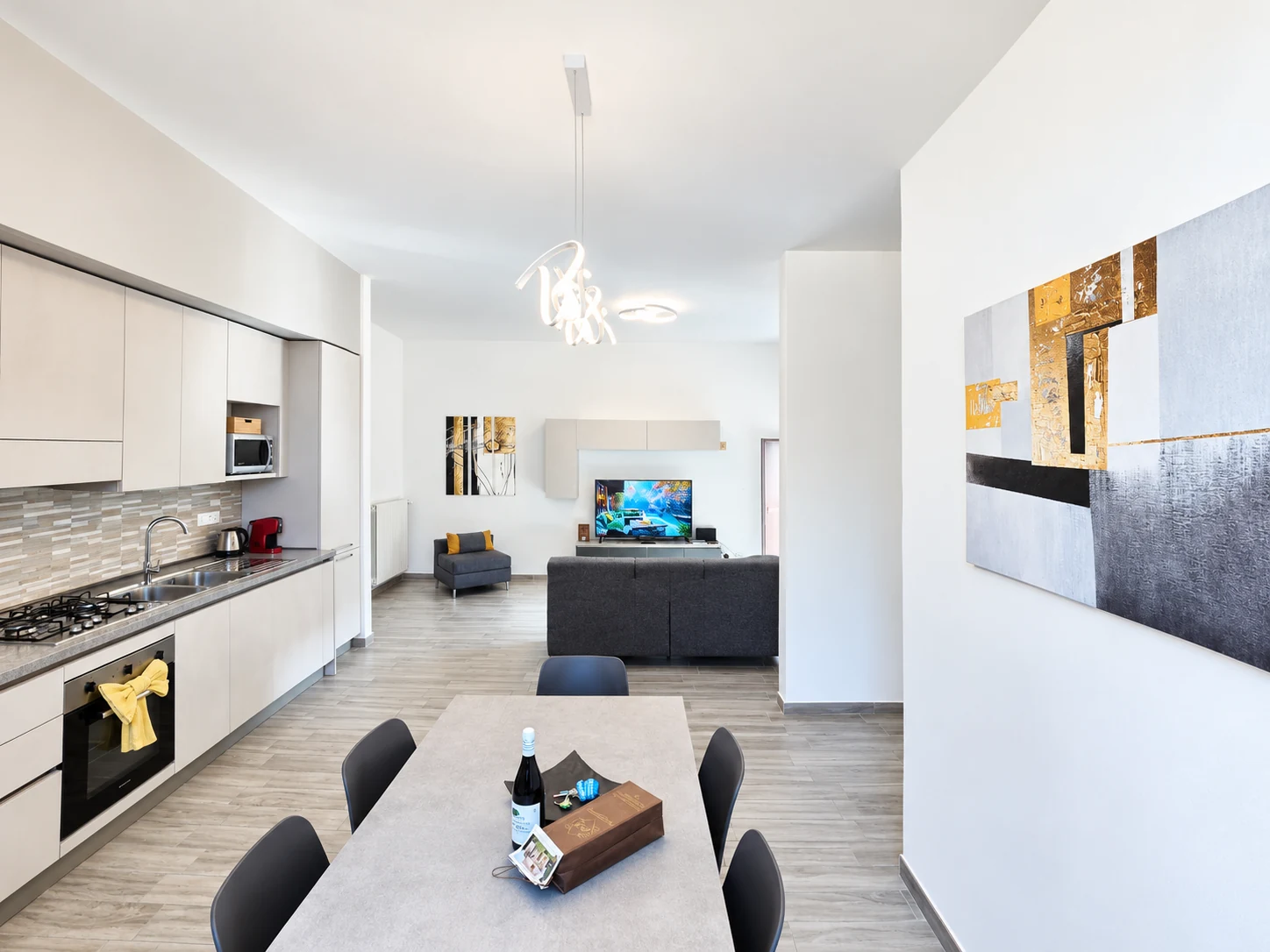
Come back to a house all your own
After a day among monuments, medieval villages and mountains, enjoy being together again.
Four double bedrooms, two bathrooms, a fully equipped kitchen and plenty of space to share: L’Aquila Home welcomes you for a stay in Abruzzo with comfort, privacy and freedom.